
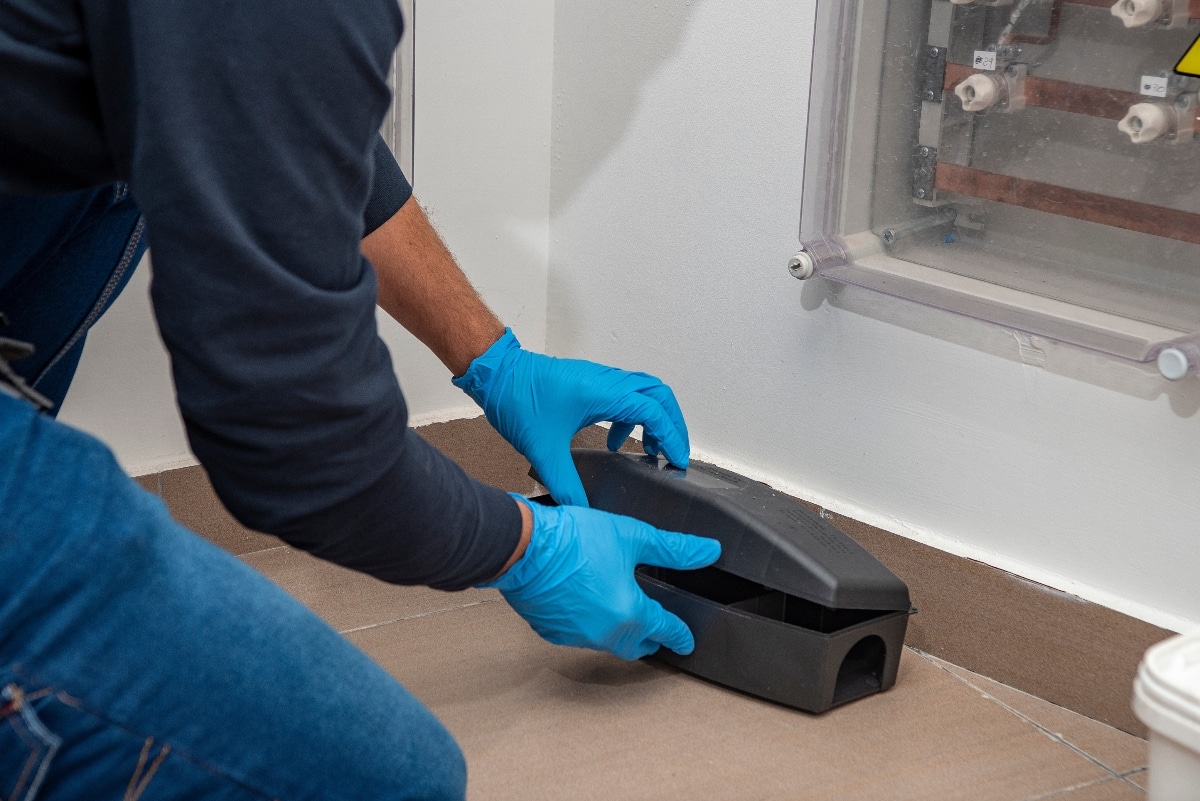
When you spot a mouse scurrying through your home, it’s more than just a nuisance—it’s a sign of a potential infestation. Other signs, including droppings, scratching noises, strong odors, or nesting sites near food, usually indicate a larger problem. Identifying these indicators promptly allows you to take action and effectively address a rodent problem before it escalates.
To prevent things from getting worse, it’s best to learn how to catch a mouse, even if you haven’t called the professionals yet. There are numerous effective ways to catch a mouse in your house, and traps are a top recommendation. Traps offer a simple, hazard-free solution.
This blog explains how to catch a mouse with 5 various traps, and how to catch one if you don’t have a trap. Keep reading for easy ways to trap a mouse at home.
How to Catch a Mouse With a Trap: 5 Types to Use
Catching mice with traps at home can be an effective way to deal with a rodent problem. Here are 5 traps and how to use them for a mouse-free home:
1. Snap Traps
What Are They: Snap traps are one of the best ways to catch mice. This popular trapping method works quickly by snapping shut on the mouse when it comes near it, killing it instantly.
How to Use:
- Placement: Put the trap along walls or in places where you’ve seen mice. Mice usually travel along walls.
- Baiting: Place a small amount of bait, like peanut butter or cheese, on the trap. Mice love these foods and will be drawn to the trap.
- Setting the Trap: Follow the instructions on the box to set the trap. This usually means pulling back the spring-loaded bar until it clicks.
- Checking: Check the traps every day. Dispose of any captured mice and reset the trap if needed.
2. Catch-and-Release Traps
What Are They: If you prefer a more humane option and want to know how to catch a mouse quick, catch-and-release traps are the type of mouse trap you should try. These traps capture mice alive and allow you to release them outside. They have a door that closes once the mouse enters, preventing it from escaping.
How to Use:
- Placement: Place the trap where you think mice are active, such as along walls or near food.
- Baiting: Place bait, such as nuts or fruit, inside the trap to attract mice.
- Setting the Trap: Open the trap according to the instructions so the door will close when the mouse enters.
- Checking: Examine the trap often, at least once a day. When you catch a mouse, release it far from your home to prevent it from coming back.
3. Glue Traps
What Are They: Glue traps use a sticky surface to trap mice when they walk over them. These traps can be effective, but are not the best way to catch mice, as they hurt the rodents and can be messy to clean up. This type of trap can cause distress to the mouse and may require careful disposal.
How to Use:
- Placement: Place glue traps in areas where you suspect mice, such as along walls or in dark corners.
- Baiting: You don’t have to use bait, but adding a small piece of food can help attract mice.
- Checking: Check the traps regularly. If a mouse gets stuck, handle the trap with caution.
- Disposal: Dispose of the trap and mouse carefully. Glue traps can be messy, so handle them with care.
4. Electronic Traps
What Are They: Electronic traps are the best modern way to trap mice. They kill mice quickly using a high-voltage shock. These traps are clean, easy to use, and can be more effective in areas with a high mouse population.
How to Use:
- Placement: Place these traps where you see mouse activity, such as along walls or near food.
- Baiting: To attract the mice, put a small amount of bait, such as peanut butter, in the trap.
- Setting the Trap: Follow the instructions to set the trap. Make sure it’s turned on and working.
- Checking: Watch for alerts. Once a mouse is caught, dispose of it as instructed.
5. Homemade Traps
What Are They: Want to know how to catch a mouse with a DIY approach? You can create your own traps using household items. But before trying this approach, you need to be sure that a DIY trap is feasible and effective for your situation.
How to Use:
- Set up: Use a bucket and a ramp. Attach a baited can or bottle to a string above the bucket.
- Baiting: Wondering how to lure a mouse to this trap? Put bait, like peanut butter, on the can or bottle to attract the mice.
- Placement: Set up the ramp so mice can climb to the bait and fall into the bucket.
- Checking: Check the bucket regularly. If you catch a mouse, release it far from your home or dispose of it properly.
Wondering how to catch a mouse most effectively among all of these options? Well, that depends on your personal preference. Experiment with each method to determine which one works best for your situation.
How to Catch a Mouse Without a Trap
If you prefer not to use traditional store-bought traps, you can try these effective DIY solutions using everyday household items.
- Paper Towel Roll Trick: Place a paper towel roll on the edge of a counter so that part of it overhangs, with bait placed at the very end. When the mouse walks out to reach the bait, its weight causes the roll to tilt and fall, dropping the mouse into a container you’ve placed directly underneath.
- Glass and Coin Trick: Prop up one edge of a glass jar with a coin balanced on its edge, with bait placed inside. When the mouse enters the jar to reach the food, it will bump the coin, causing the jar to fall and securely trap the mouse inside.
Insider Tips to Prevent Mice in the House
Even after learning how to catch a mouse, it’s important to stay vigilant to prevent more from entering your home. We’ll share some tips to keep your space mouse-free. Following these steps can help keep your home free of mice and prevent future infestations:
- Test for Mice: Place a small piece of chocolate on the floor. Mice love chocolate, so if it’s gone in the morning, you likely still have mice to catch. Just keep chocolate away from pets, as it’s toxic to dogs.
- Seal Gaps: Inspect your home and close any gaps or cracks that are a quarter inch wide or larger. Mice can squeeze through surprisingly small openings.
- Move Bird Feeders: Place bird feeders far from your home’s entry points to prevent attracting mice.
- Store Food Properly: Keep all food, including pet food, in sealed containers. Mice are drawn to accessible food sources.
- Reduce Clutter: Eliminate clutter like cardboard boxes and stacks of paper, which mice use to build nests.
- Clean Regularly: Keep kitchen counters and floors clean of crumbs and spills, which can attract mice and other pests.
- Use Proper Trash Cans: Ensure trash cans have tight-fitting lids, both inside and outside your home.
- Close Doors: Keep garage and outside doors closed, especially at night, to prevent mice from getting in.
- Maintain Foundation: Keep your home’s foundation clear of leaves and debris that can provide shelter for mice.
Keep Your Home Mouse-Free with Preventive Pest Control
Dealing with a mouse infestation at home requires a proactive approach, and it’s crucial to know how to catch a mouse when you see it. Using a combination of effective traps and preventative measures like sealing gaps and keeping your home clean can help you get rid of mice and keep them from returning.
If you’re dealing with a mouse problem in your home, consider reaching out to a trusted pest control service provider like Preventive Pest Control. Our affordable pricing and flexible subscription plans make keeping your home free from unwanted rodents easy. With years of experience and effective strategies, the Preventive Pest Control team will eliminate your mouse infestation and protect your home from future intrusions. Contact us now to schedule a consultation with our experts.